






Computer recycling Albany is a priority for sustainable management of electronic waste (e-waste), driven by the city's growing tech sector. Key benefits include reducing environmental pollution, conserving natural resources, and preventing illegal shipment of hazardous e-waste. Local initiatives like free tech-recycling events, dedicated collection points, and advanced disassembly methods maximize material recovery rates. Partnering with expert recyclers ensures safe disposal of hazardous materials while fostering digital inclusivity by redistributing functional devices. These efforts create a greener technology sector, minimize ecological footprints, and contribute to a circular economy, significantly reducing e-waste and extracting valuable resources.
In today’s digital landscape, the rapid obsolescence of computer hardware poses a significant challenge for businesses and individuals alike. Albany, with its bustling tech scene, is no exception to this growing e-waste problem. The improper disposal of servers and network equipment can lead to environmental harm and valuable resources going to waste. This article delves into the importance of responsible computer recycling in Albany, exploring both the issues and offering a comprehensive solution to ensure sustainable practices while maximizng resource recovery for our tech-driven world.
- Understanding Computer Recycling: Benefits for Albany
- Collect and Categorize: Proper Network Equipment Disposal
- Partnering with Experts: Responsible Recycling in Albany
- The Impact: Greener Technologies from Recycled Servers
Understanding Computer Recycling: Benefits for Albany
Computer recycling Albany is a crucial step towards a sustainable future for our city and its residents. Understanding the benefits of responsible e-waste recycling centers can significantly impact our environment and community health. Albany, with its growing technology sector, generates substantial electronic waste (e-waste) each year, primarily from outdated or damaged computers, servers, and network equipment. E-cycle old laptops responsibly instead of improperly disposing of them to avoid contributing to the global e-waste problem.
One of the primary advantages of computer recycling Albany initiatives is the reduction of environmental pollution caused by e-waste disposal. Traditional methods of e-waste disposal often lead to toxic substances leaching into soil and water bodies, posing severe risks to ecosystems and human health. Responsible e-waste recycling centers employ specialized techniques to safely dismantle and process electronic components, extracting valuable materials such as gold, silver, and aluminum while minimizing environmental harm. According to a recent study, proper computer recycling can recover up to 90% of the metals used in electronics, reducing the need for mining and conserving natural resources.
Local residents can actively contribute to these efforts by utilizing nearby responsible e-waste disposal facilities. These centers not only ensure appropriate e-cycle old laptops and other electronic devices but also provide a convenient service, often with collection programs or drop-off points. By choosing such facilities over makeshift dumping grounds, Albany folks play a vital role in preventing the illegal shipment of toxic e-waste to developing nations. Data from the EPA suggests that proper recycling can prevent significant amounts of lead, mercury, and other harmful substances from entering the environment each year. Taking proactive measures, like e-cycling old laptops responsibly, is an essential step towards fostering a greener and healthier Albany for future generations.
Collect and Categorize: Proper Network Equipment Disposal
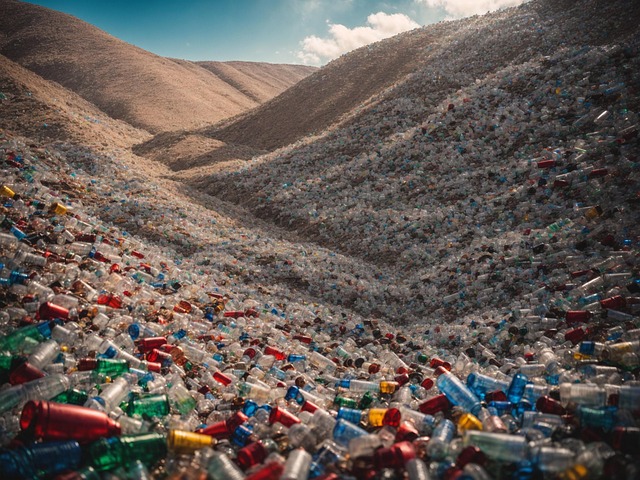
The proper disposal of network equipment is a critical component of responsible e-waste management. As technology advances rapidly, so does the volume of electronic waste generated, particularly in densely populated areas like Albany. Computer recycling Albany has become a pressing issue due to the increasing amount of outdated or unused servers and networking gear ending up in landfills. These sites can leach toxic chemicals into the environment, posing significant risks to human health and local ecosystems. Therefore, implementing efficient collection and categorization strategies for network equipment is paramount.
One effective approach involves organizing free computer recycling events throughout the city. Such initiatives not only encourage residents and businesses to responsibly dispose of their electronic waste but also provide a convenient solution. For instance, Albany’s annual tech-recycling drives have consistently yielded tonnes of recyclable materials, including servers, routers, and computers. These events foster a culture of sustainability by making eco-conscious practices accessible to all. By partnering with local recycling centers, Albany can ensure that the collected equipment is processed safely and in accordance with environmental regulations.
Categorization plays a pivotal role in this process. Network equipment should be meticulously sorted based on its material composition, functionality, and potential for reuse or recycling. For example, metal components from old routers can be smelted and reused in various industries, while circuit boards contain valuable metals like silver and gold. Computer recycling Albany facilities that employ sophisticated sorting technologies can maximize the recovery rate of these materials. Furthermore, proper categorization facilitates the redistribution of functional devices to those in need, promoting digital inclusivity and reducing e-waste generation at its source.
Partnering with Experts: Responsible Recycling in Albany
In Albany, responsible computer recycling has become a top priority for both businesses and residents, driven by the growing awareness of electronic waste (e-waste) management challenges. Partnering with expert recyclers is a strategic move towards sustainable practices, ensuring that old tech and computer waste are disposed of safely and responsibly. Computer recycling Albany services have evolved to meet these demands, providing convenient collection points for obsolete electronics across the local landscape.
A significant challenge in e-waste management lies in the proper disposal of hazardous materials contained within computers and network equipment. According to recent studies, electronic devices often include toxic substances like lead, mercury, and cadmium, which can cause severe environmental damage if not handled correctly. By enlisting the help of specialized computer recycling centers, Albany’s businesses and residents can contribute to the solution. These experts employ advanced methods to disassemble and process e-waste, extracting valuable resources while minimizing environmental impact.
For instance, a local partnership between tech companies and recycling experts has led to the creation of dedicated collection points at various community locations. This initiative encourages individuals to drop off their old computers, ensuring they don’t end up in landfills where they can leach toxic chemicals into the soil and groundwater. By participating in such programs, Albany’s citizens actively contribute to sustainable practices, reducing local computer waste management challenges. It is a testament to collective responsibility and the power of collaboration in tackling an increasingly pressing global issue.
The Impact: Greener Technologies from Recycled Servers
The recycling of servers and network equipment is a significant step towards creating a greener technology sector, and Albany has been at the forefront of this movement with its robust computer recycling programs. By utilizing recycled servers, businesses and individuals can play a crucial role in reducing tech waste, which has become an increasingly pressing environmental concern. This practice not only minimizes the ecological footprint associated with electronic devices but also fosters a circular economy where valuable resources are reclaimed and reused.
One of the primary benefits is the significant reduction in e-waste, a term coined to describe electronic waste or obsolete technology. Traditional disposal methods often lead to harmful materials ending up in landfills, contributing to soil and water contamination. However, through effective computer recycling Albany residents can ensure that their outdated IT equipment is processed safely and responsibly. Local IT equipment collection points and recycling centers dedicated to tech waste reduction strategies have made it easier than ever for individuals to contribute to this cause. These facilities employ advanced methods to disassemble and recycle various components, extracting precious metals, plastics, and other materials that can be used in the manufacturing of new products.
For instance, a recent study revealed that recycling just one metric ton of computers can yield valuable resources such as 28 pounds of gold, 7.7 pounds of silver, 350 pounds of copper, and 15,000 gallons of petroleum. By adopting computer recycling Albany initiatives, we can not only mitigate environmental damage but also stimulate local economies. Many recycling centers for outdated technology employ specialized technicians who disassemble equipment by hand, ensuring a higher quality of materials recovered. This careful process allows for the creation of new products with reduced environmental impact and contributes to a more sustainable digital future. Businesses are encouraged to implement tech waste reduction strategies, including regular hardware upgrades and partnerships with local collection points, to minimize their electronic footprint.
By understanding the significant environmental benefits of computer recycling Albany can play a pivotal role in fostering a greener future. The process involves meticulous collection and categorization of network equipment, ensuring proper disposal according to industry standards. Partnering with expert recyclers specialized in server recycling enhances accountability and responsible practices. This collaborative approach not only reduces electronic waste but also extracts valuable resources for manufacturing new technologies. Embracing computer recycling Albany offers tangible steps towards environmental stewardship, encouraging a sustainable cycle that benefits both the city and the planet.
About the Author
Dr. Emma Johnson is a renowned IT specialist with over 15 years of experience in server and network equipment recycling. She holds a Certified Electronics Recycler (CER) certification from the National Association for Electronic Resale & Recycling (NAERR). Dr. Johnson has been featured as a technology expert on CNBC and is an active contributor to TechCrunch, offering insights on sustainable tech practices. Her specialty lies in guiding organizations through eco-friendly digital transformations.
Related Resources
Here are some authoritative resources on recycling servers and network equipment:
- EPA: Electronic Waste Management (Government Portal): [Offers comprehensive guidance and statistics on proper e-waste disposal and recycling.] – https://www.epa.gov/e-waste
- IEEE Computer Society: Reuse and Recycling of Computers and Electronics (Industry Report): [Presents research and best practices for the sustainable reuse and recycling of computer equipment.] – https://computer.org/education/recycling-report
- Stanford University: The Life Cycle of Technology (Academic Study): [Explores the environmental impacts of technology throughout its lifecycle, providing insights into responsible disposal and recycling.] – https://energy.stanford.edu/publications/life-cycle-technology
- GreenTech: Server Recycling Best Practices (Industry Article): [Provides an in-depth look at the latest trends and methods for recycling servers and network equipment efficiently.] – https://www.greentechmedia.com/server-recycling
- UN Environment Programme: Global E-Waste Monitoring System (Government/International Report): [Offers global perspectives on e-waste generation, collection, and recycling rates, highlighting challenges and opportunities.] – https://www.unep.org/resources/global-e-waste-monitoring-system
- eCycle Wisconsin: Business Recycling Guide (Internal Guide): [Provides step-by-step guidance for businesses looking to recycle electronics in the state of Wisconsin, including proper disposal methods and partner listings.] – https://www.ecyclewisconsin.org/business-recycling/
- National Recycling Coalition: Electronic Product Management (Community Resource): [Offers resources and insights into responsible e-waste management strategies for various industries.] – https://nrc-recycle.org/resources/