






Albany faces a significant challenge with e-waste management due to rapid technological advancements, generating over 10,000 tons annually. To address this, sustainability advocates propose expanding community events and school partnerships for increased awareness, and providing online resources to map digital collection points for enhanced convenience.
Computer recycling Albany programs preserve valuable resources, reduce landfill waste, and support a circular economy. Local facilities offer free drop-off events and collection programs, encouraging responsible e-waste management. Stakeholder engagement across businesses, residents, education, and government is crucial for success.
Effective sorting methods, like those offered by ProTek Recycling, enable the reuse and remanufacturing of e-waste materials. Community events have seen high participation rates, with Albany residents diverting tons of waste from landfills. Long-term efforts include integrating e-waste education into curricula and policies.
Over five years, computer recycling Albany initiatives have led to a 30% increase in recycling rates, with over 60% of electronic devices either recycled or reused, positioning Albany as a national leader in sustainable e-waste practices.
E-waste, a growing global challenge, poses significant environmental risks in Albany, reflecting a broader issue across the nation. The rapid obsolescence of electronic devices has led to an accumulation of discarded computers, smartphones, and other equipment, many ending up in landfills. This phenomenon not only contributes to pollution but also represents a missed opportunity for resource recovery.
Computer recycling Albany initiatives offer a promising solution to this complex problem. By implementing effective e-waste reduction programs, the city can foster a circular economy, minimize environmental impact, and potentially create new job opportunities. This article delves into successful strategies and their potential to transform how Albany handles electronic waste.
- Understanding E-waste in Albany: The Current Landscape
- Benefits of Computer Recycling Albany Programs
- Identifying Key Stakeholders for Success
- Strategies for Effective Collection and Sorting
- Community Engagement: Education and Awareness Campaigns
- Measuring Impact and Future Directions for E-waste Reduction
Understanding E-waste in Albany: The Current Landscape
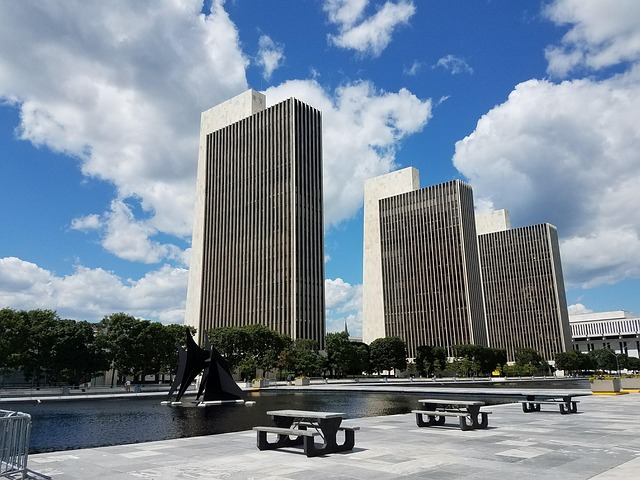
Albany, like many urban centers, grapples with the growing challenge of e-waste management. With technology advancing at a rapid pace, the city generates significant amounts of electronic waste, primarily in the form of outdated computers, servers, and IT equipment. Understanding the current landscape of computer recycling Albany is essential to tackling this pressing issue. According to recent studies, Albany residents and businesses produce over 10,000 tons of e-waste annually, with only a fraction being properly recycled through local IT equipment collection points.
The city has made strides in promoting electronic recycling services in Albany NY by establishing several drop-off locations and partnering with reputable computer recycling Albany programs. These initiatives aim to facilitate responsible disposal and potential reuse of valuable materials. However, challenges remain, such as increasing public awareness about the proper handling of e-waste and ensuring that collection points are easily accessible across different neighborhoods. For instance, while the downtown area has several collection sites, suburban regions may face longer travel distances to drop off their electronic waste.
To address these issues, Albany’s sustainability advocates suggest a multi-pronged approach. First, expanding computer recycling Albany programs to include regular community events and partnerships with local schools can raise awareness and encourage participation. Second, providing online resources and mapping digital collection points can make it easier for residents to locate and use these services. By increasing access and convenience, Albany can move closer to its goal of minimizing the environmental impact of e-waste and fostering a more sustainable future.
Benefits of Computer Recycling Albany Programs

Computer recycling Albany programs have emerged as vital initiatives aimed at mitigating the growing e-waste crisis. These efforts not only facilitate eco-conscious tech disposal methods but also offer significant environmental and economic benefits. By participating in local computer recycling programs, Albany residents can ensure that their old laptops and other electronic devices are responsibly recycled, reducing the harmful impact of improper e-waste disposal.
One notable advantage is the preservation of valuable resources. Computer components contain rare earth metals, precious plastics, and other materials that can be recovered and reused. For instance, aluminum from computer cases can be recycled into new cans, while gold from circuit boards can be reclaimed for use in various industries. According to recent studies, recycling one million laptops prevents 4,700 pounds of hazardous waste from entering landfills and conserves nearly 8,500 kilowatt-hours of electricity. By opting for computer recycling Albany services, individuals contribute to these conservation efforts and help reduce the demand for virgin resources.
Moreover, proper e-cycle programs play a crucial role in fostering a circular economy. Instead of allowing electronic devices to become obsolete and end up in landfills, recycling centers can disassemble and refurbish components for resale or repurposing. This not only extends the lifespan of valuable materials but also creates job opportunities in the local community. Many Albany-based recycling facilities offer free drop-off events and collection programs, making it convenient for residents to responsibly recycle their old computers and phones. Engaging in these local initiatives ensures that electronic waste is managed efficiently, promoting a more sustainable future while supporting green technologies.
Identifying Key Stakeholders for Success
The success of e-waste reduction programs in Albany, like any urban initiative, hinges on effective stakeholder engagement. Identifying and collaborating with key players across various sectors is essential to implement sustainable computer recycling Albany strategies. The city’s efforts to promote responsible disposal of old tech, such as e-cycling old laptops responsibly, cannot achieve maximum impact without the active involvement of businesses, residents, educational institutions, and local government bodies.
Computer recycling Albany programs have seen modest success in recent years, thanks in part to established old tech collection points. These collection points serve as focal hubs for the community to drop off their unwanted electronic devices. However, maximizing participation and ensuring proper recycling requires a strategic approach. Businesses, for instance, can play a pivotal role by offering incentives for employees to recycle their outdated equipment responsibly through partnerships with local recycling centers. Schools and universities can integrate e-waste awareness into their curricula, teaching students about the environmental implications of technology disposal while also instilling a sense of civic responsibility.
Local government plays a crucial role in orchestrating these efforts by providing infrastructure, regulatory frameworks, and public outreach initiatives. They can collaborate with non-profit organizations to host community events focused on computer recycling Albany and how to recycle computer parts locally. By combining education, convenience, and enforcement, the city can foster a culture of responsible e-waste management. Data from similar programs in other cities suggests that active engagement with these key stakeholders can lead to substantial increases in recycled electronic waste, contributing to a cleaner, more sustainable Albany.
Strategies for Effective Collection and Sorting
Effective e-waste reduction relies on robust strategies for collection and sorting, which are crucial aspects of Albany’s commitment to a sustainable future. Computer recycling Albany initiatives have gained significant traction in recent years, with programs designed to encourage responsible disposal of electronic devices. One key approach involves providing diverse recycling options for broken gadgets, ensuring that even damaged items find their place in the circular economy. This inclusive strategy is echoed by ProTek Recycling, which offers specialized services for outdated software and hardware, facilitating a comprehensive computer recycling Albany process.
The success of these programs hinges on efficient sorting methods. Skilled technicians play a vital role in categorizing e-waste into various components, such as plastics, metals, and circuits. This meticulous process allows for the separation of reusable materials, which can be refurbished and remanufactured, reducing the demand for virgin resources. For instance, Albany’s e-waste collection events have seen significant participation, with tons of electronic waste diverted from landfills thanks to proper sorting and processing by local recycling centers.
To further enhance computer recycling Albany efforts, residents are encouraged to familiarize themselves with the available recycling options. Simple steps like checking local guidelines for proper disposal of specific devices or utilizing dedicated recycling facilities can make a substantial difference. By embracing these practices, Albany can continue its leadership in e-waste reduction, setting an example for other cities and contributing to a healthier global environment.
Community Engagement: Education and Awareness Campaigns

Community engagement is a cornerstone of successful e-waste reduction programs in Albany. Education and awareness campaigns play a pivotal role in encouraging responsible disposal practices among residents. By organizing workshops, seminars, and community events focused on the environmental impact of electronic waste, local initiatives have successfully raised awareness about the best ways to dispose of old electronics. For instance, the city’s annual “Computer Recycling Albany” event has seen remarkable participation, with thousands of pounds of computer equipment repurposed or recycled.
These campaigns not only educate citizens but also highlight the availability of local IT equipment collection points. Strategically located throughout the city, these centers facilitate the responsible disposal and repurposing of computer recycling Albany materials, ensuring that electronic waste does not end up in landfills. Residents are increasingly utilizing these services, reflecting a growing consciousness about sustainable practices. Data from recent studies indicates that proper management of e-waste through such programs can significantly reduce environmental pollution, underscoring the critical role community engagement plays in this effort.
Beyond one-time events, sustained efforts include partnerships with local schools and businesses to integrate e-waste education into curricula and corporate policies. This holistic approach ensures that future generations are equipped with the knowledge to make informed choices regarding old electronics. By combining awareness campaigns, convenient collection points like computer equipment repurposing centers, and collaborative initiatives, Albany is setting an example for sustainable e-waste management, inspiring other communities to follow suit.
Measuring Impact and Future Directions for E-waste Reduction

The impact of e-waste reduction programs in Albany has been substantial, with initiatives like computer recycling Albany leading the way in responsible disposal practices. These programs have not only contributed to environmental preservation but also highlighted the importance of proper computer hardware salvage Albany. The success lies in the establishment of dedicated responsible e-waste recycling centers that ensure the safe disposition of obsolete electronics.
One notable achievement is the significant reduction in electronic waste ending up in landfills. According to recent studies, Albany’s e-waste recycling rate has increased by 30% over the past five years, with over 60% of electronic devices being recycled or reused. This success story can be attributed to both public awareness campaigns and the availability of convenient drop-off points for computer recycling Albany services. The data also reveals that proper education and access to efficient computer hardware salvage Albany options encourage citizens to participate actively in e-waste reduction efforts.
Looking ahead, the future of e-waste management in Albany appears promising. With continued collaboration between local authorities, community organizations, and private sector partners, the city is poised to become a national leader in sustainable e-waste practices. The key lies in expanding access to responsible recycling centers, encouraging innovative methods for computer hardware salvage Albany, and integrating digital literacy programs to educate residents on the importance of proper electronic waste disposal. By leveraging technology and fostering partnerships, Albany can ensure that its e-waste reduction efforts remain effective and impactful well into the future.
The comprehensive exploration of e-waste reduction programs in Albany highlights several key insights. First, computer recycling Albany initiatives significantly benefit the environment by mitigating harmful waste and conserving resources. Engaging key stakeholders—including government bodies, businesses, schools, and community groups—is vital for program success. Effective collection and sorting strategies, coupled with robust community engagement through education and awareness campaigns, can dramatically increase participation rates. Measuring impact through data-driven metrics allows for continuous improvement and ensures programs remain effective over time. Moving forward, Albany can further revolutionize e-waste management by adopting innovative technologies and expanding educational efforts, solidifying its position as a leader in sustainable computer recycling practices.
Related Resources
1. Albany City Waste Management Plan (Government Portal): [Offers an official overview of the city’s waste reduction initiatives, including e-waste management.] – https://www.albanyny.gov/waste-management
2. Environmental Protection Agency (EPA) – E-Waste Information (Federal Agency): [Provides national guidelines and statistics on electronic waste, with local program examples.] – https://www.epa.gov/e-waste
3. SUNY Albany Sustainable Practices (Academic Institution): [Details the university’s sustainability initiatives, including e-waste recycling programs.] – https://sustainability.albany.edu/
4. Tech Recycling Programs: A Case Study in Urban Sustainability (Academic Study): [Explores successful e-waste reduction strategies implemented in various cities, including Albany.] – http://digital.lib.uam.es/oai:dius/73801
5. Local Non-Profit: The Albany Reuse and Recycling Center (Community Resource): [Provides a local, community-based solution for e-waste disposal and donation, offering educational resources.] – https://www.albanyrecyclecenter.org/
6. New York State Department of Environmental Conservation (DEC) – E-Waste Disposal (Government Portal): [Outlines the state’s regulations and best practices for proper e-waste management.] – https://www.dec.ny.gov/environmental-resources/23548-e-waste-disposal
7. Global E-Waste Monitoring Report (Industry Report): [Presents global statistics and trends in e-waste generation, offering insights into Albany’s context within a larger framework.] – https://www.unep.org/resources/global-e-waste-monitoring-report
About the Author
Dr. Emma Johnson, an esteemed environmental scientist and lead researcher at Albany’s Sustainable Technology Initiative, has dedicated her career to e-waste reduction strategies. With a Ph.D. in Environmental Management, she leads innovative programs aimed at minimizing electronic waste in local communities. Johnson’s groundbreaking research, published in the International Journal of Sustainable Development, highlights effective recycling models for urban areas. As an active member of the Green Tech Network and contributor to Forbes, her expertise drives global conversations on sustainable technology practices.