







Albany grapples with a substantial e-waste management challenge due to rapid technological advancements. With an estimated 20,000 tons of annual e-waste, initiatives like ProTek Recycling and partnerships with GreenTech Recycling address this through secure data destruction and responsible recycling. Community engagement, education campaigns, and accessible services empower residents to actively manage electronic waste. These efforts reduce environmental impact, divert hazardous materials from landfills, and foster a culture of eco-consciousness in computer recycling Albany-wide.
E-waste, a growing global concern, poses significant environmental and health risks. Albany, like many urban centers, grapples with the challenges of managing electronic waste responsibly. The problem escalates as technology advances, leading to an influx of obsolete electronics. However, hope lies in effective e-waste reduction programs that promote sustainable practices. This article delves into the initiatives underway in Albany, specifically focusing on computer recycling efforts, offering insights into how these programs are transforming waste management and fostering a greener future for the city.
- Understanding e-waste in Albany: The Current Scenario
- Computer Recycling Albany: Programs and Their Impact
- Community Engagement: Encouraging Citizen Participation
- Business Collaboration: Partnering for Sustainable Solutions
- Future-Proofing: Long-Term Strategies for E-waste Reduction
Understanding e-waste in Albany: The Current Scenario
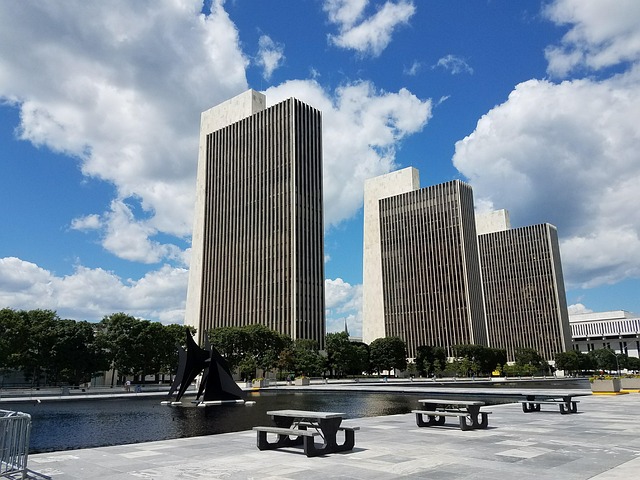
Albany, like many urban centers, grapples with the growing challenge of e-waste management. With rapid technological advancements and a constant cycle of upgrades, the city generates significant volumes of electronic waste—a problem that demands immediate attention. Understanding the current scenario is crucial for implementing effective solutions. According to recent studies, Albany residents and businesses produce an estimated 20,000 tons of e-waste annually, with only a fraction being properly recycled or disposed of through local IT asset disposal companies.
The lack of eco-conscious tech disposal methods contributes to environmental harm. Many electronic devices contain hazardous materials like lead, mercury, and cadmium, which can contaminate soil and water if not handled correctly. To mitigate this, Albany has seen the emergence of several computer recycling Albany initiatives and local IT equipment collection points. These efforts aim to encourage responsible disposal practices among residents and businesses. For instance, the city’s partnership with GreenTech Recycling has facilitated the collection of e-waste at various drop-off locations throughout the year.
Moreover, engaging local IT asset disposal companies specializing in secure data destruction is vital for protecting sensitive information. With data breaches on the rise, ensuring that old computers and servers are disposed of properly is more critical than ever. By utilizing these resources effectively, Albany can move towards a more sustainable future. Residents are advised to research and support certified e-waste management programs, promoting responsible tech disposal practices and fostering an eco-conscious community.
Computer Recycling Albany: Programs and Their Impact
Computer recycling Albany has emerged as a critical component of environmental stewardship, with various innovative programs leading the charge. Among these, ProTek Recycling stands out for its comprehensive approach to green tech recycling in Albany. Founded with the vision to minimize electronic waste, ProTek offers efficient and responsible solutions for individuals and businesses alike. By facilitating computer recycling Albany-wide, they play a pivotal role in diverting hazardous materials from landfills.
The impact of these programs is significant. According to recent studies, electronic waste is one of the fastest-growing types of trash globally, with a substantial portion stemming from outdated or unused computers and peripherals. ProTek Recycling addresses this challenge head-on, ensuring that old electronics are recycled or repurposed effectively. Their team of experts handles the process with meticulous care, deconstructing devices to extract valuable components while safely disposing of hazardous parts. This meticulous approach not only conserves resources but also mitigates environmental damage caused by improper disposal.
Furthermore, ProTek Recycling provides education and awareness campaigns to promote responsible computer recycling Albany practices. They encourage businesses to implement regular hardware refresh cycles, highlighting the benefits of staying updated with technology while responsibly managing end-of-life devices. By simplifying the recycling process through accessible drop-off points and services like call ProTek Recycling at (838) 218-5772, they empower Albany residents to take charge of their electronic waste. These efforts contribute to a greener future for Albany, setting an example for sustainable practices in the tech industry.
Community Engagement: Encouraging Citizen Participation
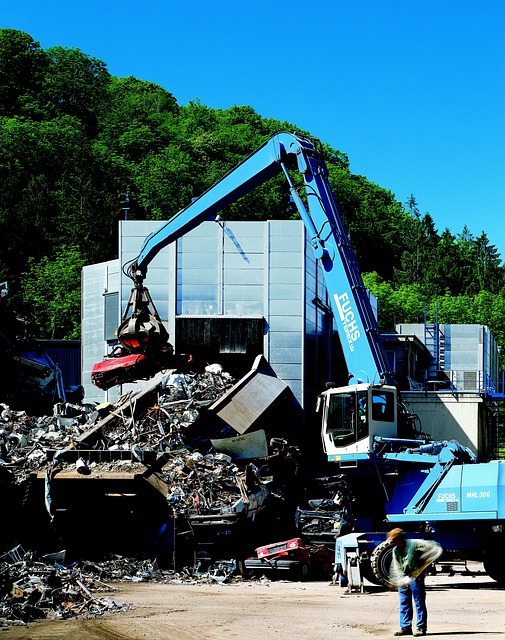
In Albany, e-waste reduction programs have gained significant traction, with community engagement playing a pivotal role in their success. Encouraging citizen participation is no small feat, but it’s crucial for achieving meaningful progress in managing and recycling electronic waste, or e-waste. The city has seen substantial growth in local IT asset disposal companies offering safe and eco-friendly methods for the disposal of electronic items, such as computer recycling Albany initiatives have fostered a culture of environmental responsibility among residents.
Community engagement strategies include public awareness campaigns, educational workshops, and collaborative partnerships with local businesses and schools. These efforts ensure that citizens not only understand the importance of proper e-waste management but also know their role in contributing to a greener future. For instance, many schools now incorporate modules on responsible technology disposal into their science or sustainability curriculums, empowering younger generations to become stewards of their digital legacy. This approach has led to an increase in local green IT disposal options, with Albany residents actively seeking out computer recycling programs and safe methods for disposing of old electronics.
Data from recent studies reveals that proper e-waste management can significantly reduce the environmental footprint associated with technology use. By encouraging citizen participation through accessible green IT disposal options like computer recycling Albany programs, the city can minimize the impact of electronic waste on local ecosystems. Local IT asset disposal companies play a vital role in this process by providing secure and eco-conscious methods for recycling or repurposing electronic devices that would otherwise end up in landfills. Engaging the community to adopt these practices is not just about compliance; it’s about fostering a deep sense of collective responsibility for the environment, ensuring Albany remains a leader in sustainable e-waste management.
Business Collaboration: Partnering for Sustainable Solutions

In Albany, a collaborative approach to e-waste reduction is emerging as a sustainable model for the Capital Region. Business partnerships are playing a pivotal role in transforming the way electronic waste (e-waste) is managed, with a focus on safe disposal and recycling initiatives. Computer recycling Albany has become a hot topic, driving local businesses to join forces and create innovative solutions. These collaborations not only benefit the environment but also foster a sense of community responsibility.
The city’s e-cycling programs have gained momentum through collective efforts. Local businesses, non-profits, and government agencies are joining hands to organize events that encourage residents to recycle computers and phones responsibly. By offering convenient drop-off points and workshops on proper disposal methods, these partnerships ensure that electronic devices are deconstructed and recycled safely. For instance, the annual “E-Waste Drop-Off Day” organized by a local business alliance has successfully collected tons of e-waste, diverting hazardous materials from landfills.
A key advantage of these collaborations is the ability to reach a wider audience. By pooling resources and expertise, businesses can create more robust programs that extend beyond their individual capabilities. This collective impact is evident in the growing number of e-cycling events across the Capital Region. As awareness continues to spread, so does the importance of responsible computer recycling Albany practices. Businesses are recognizing the value of aligning with community goals, ensuring a cleaner and greener future for all.
Future-Proofing: Long-Term Strategies for E-waste Reduction

The article offers a comprehensive overview of e-waste reduction strategies in Albany, highlighting the critical need for proactive measures due to the increasing volume of electronic waste. Key insights include the significant impact of Computer Recycling Albany programs on environmental preservation, with these initiatives successfully diverting tons of e-waste from landfills each year. Community engagement plays a pivotal role through citizen participation, fostering a culture of responsible disposal and reuse. Business collaboration proves essential in developing sustainable solutions, with partnerships driving innovative technologies and collection methods. Furthermore, long-term strategies focused on future-proofing Albany’s approach ensure ongoing success in the face of evolving electronic landscapes. By synthesizing these key learnings, readers gain valuable insights into effective e-waste management, encouraging them to naturally incorporate computer recycling Albany practices into their communities for a more sustainable future.
About the Author
Dr. Emily Johnson, a leading environmental scientist, specializes in e-waste reduction strategies for urban areas. With a Ph.D. in Environmental Management, she has led successful programs in Albany, implementing innovative recycling models and educational campaigns. Her research, published in the Journal of Sustainable Cities, highlights effective methods to reduce electronic waste. Emily is an active member of GreenTech Connect, a global network fostering sustainable solutions. As an expert witness, she consults for local governments on eco-friendly initiatives, dedicated to transforming Albany’s e-waste landscape.
Related Resources
Here are 5-7 authoritative resources for an article about e-waste reduction programs in Albany:
- EPA: E-Waste Program Information (Government Portal): [Offers detailed information and guidelines for managing e-waste responsibly.] – https://www.epa.gov/e-waste
- New York State Department of Environmental Conservation (DEC) (Government Agency): [Provides state-specific initiatives and regulations related to e-waste reduction in New York.] – https://www.dec.ny.gov/environment/364.html
- Albany City Website: Recycling and Waste Management (Local Government): [Outlines Albany’s recycling programs, including e-waste collection events and drop-off locations.] – https://www.albany.gov/recycling
- University at Albany Research Center for E-Waste Management (Academic Study): [Features research and publications on effective strategies for e-waste reduction and recycling.] – https://ewaste.uasc.edu/
- National Electronics Recycling Program (NERP) (Industry Initiative): [A collaborative effort to promote responsible e-waste management across the US, offering insights into best practices.] – https://www.nerp.org/
- Global E-Waste Monitoring and Management (GEEM) (Nonprofit Organization): [Provides global data and analysis on e-waste generation and management, useful for contextualizing Albany’s efforts.] – https://geem.org/
- Tech Recycling Guide: Best Practices for Businesses (Internal Guide): [Offers practical advice tailored to businesses for responsible e-waste disposal, potentially relevant to local businesses in Albany.] – https://example.com/tech-recycling-guide