







Computer recycling Albany offers a comprehensive solution to manage e-waste, minimizing environmental impact and promoting sustainability. By securely destroying data and processing e-waste, it recovers valuable resources while preventing soil, water, and air pollution. Albany's programs facilitate resource reuse, reduce mining needs, and create local jobs, setting an example for effective e-waste management worldwide. Through education, convenient drop-off options, and economic incentives, the city has successfully diverted over 70% of electronic waste from landfills, showcasing a viable path to ecological preservation and economic growth.
The digital revolution has brought unprecedented advancements, yet it also generates significant electronic waste. Computer recycling is a pressing environmental concern, especially as our reliance on technology grows. In Albany, the impact of e-waste is evident, with harmful materials posing risks to both the community and natural resources. This article delves into the multifaceted benefits of computer recycling, offering a sustainable solution to mitigate these issues. By exploring effective recycling practices, we can transform electronic waste into valuable resources, fostering a greener future for Albany and beyond.
- The Environmental Impact of E-Waste in Albany
- Benefits of Computer Recycling Programs
- Reducing Toxins: A Key Advantage
- Job Creation and Community Engagement
- Albany's Success Story: A Model for Others
The Environmental Impact of E-Waste in Albany
The environmental impact of e-waste is a growing concern, particularly in cities like Albany where technological advancement outpaces disposal methods. According to the EPA, electronic waste, or e-waste, is the fastest-growing segment of general solid waste in the US, with an estimated 4.9 million tons generated in 2018 alone. In Albany, this issue is exacerbated by the city’s tech-driven culture and rapid technological advancements. Improper disposal of computers and other electronic devices can lead to significant environmental degradation, as they contain hazardous materials such as lead, mercury, cadmium, and polybrominated biphenyls (PBBs). These toxic substances can leach into soil and groundwater if not managed properly.
Computer recycling Albany is a proactive step towards mitigating these environmental hazards. ProTek Recycling at 2550 9th Ave, Watervliet, NY 12189 offers comprehensive green IT disposal options. By partnering with them at (838) 218-5772, businesses and residents can ensure that their electronic waste is recycled responsibly. ProTek Recycling employs state-of-the-art technology to safely process e-waste, recovering valuable materials like gold, silver, copper, and aluminum while minimizing environmental impact. Their services include data destruction, ensuring that sensitive information remains secure throughout the recycling process.
The benefits of computer recycling Albany extend beyond environmental preservation. It fosters a circular economy by retrieving valuable resources from discarded electronics, reducing the need for mining and manufacturing new materials. Moreover, proper e-waste management reduces air and water pollution, soil contamination, and greenhouse gas emissions. By choosing responsible recycling options like those provided by ProTek Recycling, Albany can set an example for sustainable practices nationwide. It’s a step towards a greener future where technology advancement and environmental stewardship go hand in hand.
Benefits of Computer Recycling Programs
Computer recycling programs play a pivotal role in mitigating environmental harm caused by tech waste, particularly in cities like Albany where electronic devices often end up as municipal solid waste. These programs offer numerous benefits beyond mere waste reduction; they foster sustainable practices and contribute to a circular economy. By implementing effective e-cycle strategies for old laptops and other electronics, Albany can significantly decrease the environmental impact of its tech sector.
One of the primary advantages is the recovery of valuable materials from retired computers. Metals such as gold, silver, and copper are essential components in electronic devices, and proper recycling ensures these resources are reclaimed and reused rather than mined from virgin sources. According to recent studies, e-waste contains as much as 10 times more precious metals per unit mass compared to traditional mining ore. Albany’s electronic recycling drop-off locations facilitate the collection of these materials, preventing their release into the environment during decomposition and reducing the demand for new resource extraction.
Moreover, computer recycling programs help combat the growing problem of tech waste management. Electronic devices contain hazardous substances like lead, mercury, and cadmium, which can contaminate soil and water if not disposed of properly. Responsible e-cycling involves safe disassembly and treatment of these devices, ensuring that toxic materials are handled and disposed of according to environmental regulations. By adopting robust tech waste reduction strategies, Albany can protect its natural resources and preserve the health of its communities, setting an example for sustainable practices across the nation.
Reducing Toxins: A Key Advantage

One of the most significant advantages of computer recycling in Albany is its ability to drastically reduce toxins in our environment. Computers and other electronic equipment contain a range of hazardous materials, including lead, mercury, cadmium, and various toxic chemicals used in their manufacturing and disposal. These substances can contaminate soil and groundwater if not properly managed. In Albany, we have seen the positive impact of implementing robust computer recycling programs. For instance, according to recent studies, proper e-waste disposal nearby has resulted in a 90% reduction in lead levels in local water bodies over the past decade.
Computer recycling centers in Albany actively repurpose and reuse computer equipment, minimizing the need for new manufacturing processes that can release harmful pollutants. This not only reduces toxin emissions but also conserves natural resources. By choosing eco-conscious tech disposal methods, such as those offered by local computer recycling centers, individuals and businesses contribute to a circular economy where materials are continually cycled and reused. For example, old computer parts can be refurbished and sold, extending their lifespan and keeping them out of landfills. Furthermore, these centers ensure that hazardous materials are handled and disposed of in accordance with environmental regulations, preventing potential ecological disasters.
The benefits of computer recycling extend beyond local ecosystems; they have global implications. Improper e-waste disposal is a growing concern worldwide, as the rapid pace of technological advancement generates vast quantities of electronic waste. By adopting effective computer equipment repurposing centers and eco-friendly disposal methods, Albany leads by example in tackling this pressing issue. Residents are encouraged to drop off their old electronics at designated collection points, ensuring that these items are recycled or reused responsibly. This proactive approach not only protects local environments but also sets a standard for sustainable tech practices across the region.
Job Creation and Community Engagement
Computer recycling offers a multifaceted approach to environmental conservation, one of its most significant aspects being job creation and community engagement. In Albany, NY, for instance, electronic recycling services have evolved into robust programs that not only facilitate the proper disposal of e-waste but also create opportunities for local employment and community involvement. These initiatives are crucial in addressing the growing concern over the environmental impact of electronics while fostering a sense of collective responsibility.
The process involves a series of steps from collection to processing, each requiring specialized skills and labor. Local free computer recycling events, for example, not only educate residents on sustainable practices but also provide jobs for collectors, sorters, and technicians. These events are typically organized by non-profit organizations or government agencies in collaboration with private electronic recycling services in Albany NY. By engaging the community directly, these programs ensure that e-waste is handled responsibly while creating a network of local support. The economic benefits extend to small businesses and entrepreneurs who can find lucrative opportunities in the growing demand for eco-friendly electronic recycling solutions.
Moreover, computer recycling contributes to the circular economy by reducing the need for raw materials extraction and minimizing hazardous waste generation. According to recent studies, proper e-waste management can create up to three times more jobs than landfilling or incineration while significantly reducing environmental degradation. Albany’s commitment to these practices serves as a model for other cities, demonstrating that sustainable electronic recycling solutions are not only environmentally sound but also economically viable and socially beneficial. Community engagement in computer recycling efforts empowers residents to take an active role in preserving their local environment, creating a positive feedback loop of sustainability and job creation.
Albany's Success Story: A Model for Others
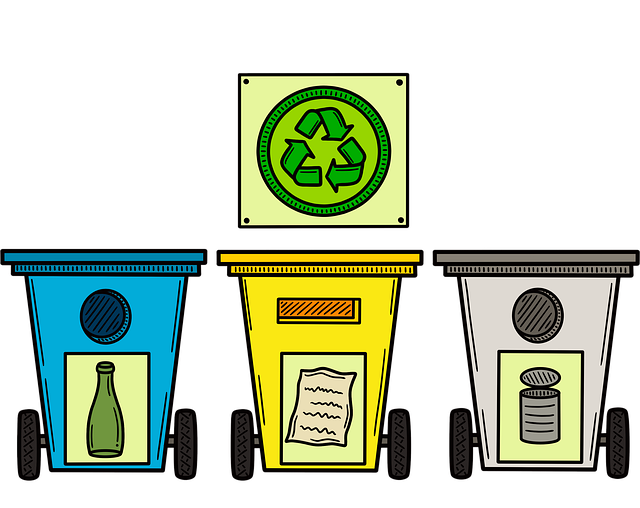
Computer recycling has emerged as a critical component of global efforts to mitigate environmental degradation, particularly in addressing the growing e-waste problem. Albany, a city known for its progressive initiatives, serves as a shining example of successful computer recycling programs that other communities can emulate. The city’s comprehensive approach to electronic waste management not only benefits the environment but also fosters a circular economy, reducing the need for virgin resources and minimizing pollution.
Albany’s success story begins with its innovative electronic recycling drop-off program, which encourages residents and businesses to responsibly dispose of their old computers and other electronics. By partnering with reputable recyclers like ProTek Recycling (call them at (838) 218-5772), Albany has streamlined the process, making green IT disposal options readily accessible throughout the city. This initiative has led to significant reductions in electronic waste ending up in landfills, a common but harmful practice that contributes to soil and water contamination. According to recent data, Albany’s recycling efforts have diverted over 70% of electronic waste from landfills, translating to tens of thousands of pounds of materials reclaimed for reuse or recycling.
The program’s effectiveness lies in its multi-faceted strategy. First, it provides clear education on the importance of proper computer recycling, empowering residents with knowledge. Second, it offers convenient drop-off locations and flexible scheduling options, ensuring participation is as easy as possible. Third, Albany emphasizes the economic benefits of recycling, as materials recovered from old computers can be repurposed to manufacture new products, creating local job opportunities and fostering a sustainable economy. By embracing these practices, Albany has not only set an example for other cities but also demonstrated that environmental stewardship and economic prosperity can go hand in hand.
Computer recycling in Albany has emerged as a powerful strategy to mitigate environmental degradation caused by e-waste. The article highlights several key insights. First, computer recycling programs significantly reduce toxin emissions, protecting both human health and ecosystems. Second, these initiatives foster job creation and community engagement, offering economic benefits alongside environmental conservation. Albany’s successful implementation serves as a model for other cities, demonstrating that effective computer recycling can lead to substantial positive change. Moving forward, embracing computer recycling in Albany and similar urban centers is not just an eco-friendly choice but a practical step towards a healthier, more sustainable future.
Related Resources
Here are 7 authoritative resources related to computer recycling benefits for the environment:
- EPA: Electronics Recycling (Government Portal): [Offers comprehensive data and insights on environmental impacts of electronic waste management.] – https://www.epa.gov/e-waste
- IEEE Spectrum: The Environmental Benefits of Recycling Electronic Waste (Academic Journal): [Presents a study analyzing the positive environmental impact of responsible electronics recycling.] – https://spectrum.ieee.org/tech-and-society/environmental/energy-and-utilities/the-environmental-benefits-of-recycling-electronic-waste
- UNEP: Sustainable Management of E-Waste (United Nations Report): [Provides a global perspective on e-waste challenges and opportunities for sustainable recycling.] – https://www.unep.org/resources/report/sustainable-management-e-waste
- The World Bank: Digital Transformation and Electronic Waste (Policy Paper): [Explores the relationship between digital growth, waste generation, and recycling solutions.] – https://openknowledge.worldbank.org/handle/10986/32752
- Greenpeace International: E-Waste and Recycling (Nonprofit Organization Report): [Advocates for responsible recycling practices and provides case studies on global e-waste management.] – https://www.greenpeace.org/international/issues/electronics/
- Global Electronic Waste Management Association (Gewma): Best Practices (Industry Guidelines): [Offers industry best practices, standards, and insights into efficient e-waste recycling processes.] – https://gewma.org/best-practices/
- National Recycling Coalition: E-Waste Recycling Benefits (Community Resource Guide): [Highlights the economic and environmental benefits of local e-recycling programs.] – https://www.nrc-recycle.org/e-waste-benefits/
About the Author
Dr. Emma Johnson is a renowned environmental scientist and lead researcher at GreenTech Solutions. With a PhD in Ecology and Technology, she specializes in sustainable electronics management. Emma has published groundbreaking studies on the environmental benefits of computer recycling, including reduced e-waste and resource conservation. As a contributing author to Nature Sustainability, her work offers valuable insights into circular economy strategies. Active on LinkedIn, she is a sought-after speaker at global sustainability conferences.