







Computer recycling Albany is a strategic approach to combat e-waste, offering free drop-off events and partnerships with specialized tech recyclers. Effective management requires identifying device brands and models, with centers providing online guidance. Recyclers employ advanced technologies for safe decomposition, recovering valuable materials like metals and rare earth elements. These programs prevent toxic contamination, promote a circular economy, create jobs, bridge the digital divide, and reduce environmental impact by conserving resources and lowering energy consumption.
In today’s digital age, the proper disposal and recycling of electronic waste have become paramount to mitigating environmental harm. With an ever-evolving technology landscape, consumers often find themselves overwhelmed by the vast array of brands and types of electronics, making responsible recycling a complex task. Computer recycling Albany has emerged as a beacon of hope in addressing this pressing issue. This article delves into the world of tech recycling companies that embrace all brands, providing a comprehensive solution to ensure electronic waste is handled with environmental stewardship and efficiency.
- Understanding Computer Recycling Albany: The Basics
- Identifying Brands: Compatibility in Recycling Centers
- The Process: How Tech Recycling Companies Operate
- Benefits: Why Choose Computer Recycling Services?
Understanding Computer Recycling Albany: The Basics

Computer recycling Albany is a crucial aspect of managing the ever-growing e-waste problem. With an increasing number of devices becoming obsolete each year, proper disposal methods are essential to protect both the environment and human health. In Albany, residents have several options for disposing of their old computers and electronics safely and responsibly. One notable initiative is the city’s partnership with tech recycling companies that accept all brands, ensuring convenient and eco-friendly solutions for local residents.
These companies specialize in facilitating the complex process of computer recycling, offering free drives at various locations throughout Albany. During these events, citizens can drop off their outdated electronics, from desktop computers to laptops and tablets. The collection points are typically well-advertised, making it easy for community members to participate. By taking advantage of these free computer recycling drives, Albany residents contribute to the reduction of e-waste, a significant environmental concern. According to recent studies, proper recycling of electronics can save vast amounts of resources and minimize the release of harmful substances into the environment.
Beyond these periodic events, many tech recycling companies provide year-round services for disposing of obsolete electronics safely. They employ specialized methods to break down and recycle various components, ensuring that materials like metals, plastics, and glass are recovered and reused. This sustainable approach aligns with Albany’s commitment to eco-friendly practices. By choosing reputable recycling providers, residents can be assured that their old devices will be handled properly, preventing e-waste from ending up in landfills where it poses significant environmental risks.
Identifying Brands: Compatibility in Recycling Centers

When it comes to tech recycling, ensuring compatibility among different brands is a critical aspect of effective e-waste management. Computer recycling Albany centers, for instance, are designed to handle a wide array of electronic devices, but proper identification of components remains paramount. The challenge lies in upcycling computer parts from various brands, as each manufacturer may have unique design and material considerations. For example, while a local Albany recycling point might excel at processing Apple products due to their standardized components, they may face challenges with less common brands or older models.
To ensure efficient recycling, individuals and businesses should educate themselves on how to properly identify different computer parts. This includes recognizing not only the brand but also the specific model and, where possible, the date of manufacture. Many Albany-based recycling centers offer guidance on their websites, providing resources that help users determine which components are recyclable and how to prepare them for local collection points. For instance, old tech collection events in the region often specify what types of devices they accept, allowing residents to contribute more effectively.
Data from recent studies suggests that proper brand identification can significantly enhance recycling rates. A 2021 report by the EPA highlighted the importance of consumer education in increasing e-waste recycling participation. By promoting practices like local computer recycling and upcycling old tech components, Albany communities can reduce electronic waste ending up in landfills. Additionally, partnering with specialized recycling centers that handle diverse brands ensures proper disposal and recovery of valuable materials from outdated technology.
The Process: How Tech Recycling Companies Operate

Tech recycling companies play a vital role in managing e-waste reduction initiatives in Albany and beyond. These specialized businesses have streamlined processes to handle all types of computer recycling, ensuring environmentally responsible disposal of electronic assets from both local IT asset disposal companies and individuals. At the heart of their operation lies a meticulous process designed to maximize resource recovery and minimize environmental impact.
The journey begins with collection. Many top tech recycling companies in Albany offer convenient pick-up services, allowing residents and businesses to e-cycle old laptops and other electronics responsibly. Once collected, the materials are transported to state-of-the-art facilities where sorting and disassembly commence. This intricate process involves manual labor and advanced machinery to separate components like plastics, metals, and precious metals. For instance, a typical computer may contain over 20 different types of plastic, each requiring specific recycling treatments.
Next, specialized teams demontse hardware, carefully extracting valuable parts that can be resold or remanufactured. This step is crucial in the global fight against e-waste accumulation. Materials recovered include circuit boards, memory chips, and even rare earth elements. After thorough cleaning and testing, these components enter the supply chain again, reducing demand for virgin resources and fostering sustainability. Companies like those operating in Albany’s tech recycling landscape employ advanced technologies to ensure maximum efficiency while adhering to strict environmental regulations. By adopting these rigorous practices, they contribute significantly to e-waste reduction goals, transforming a potential environmental liability into valuable resources.
Benefits: Why Choose Computer Recycling Services?
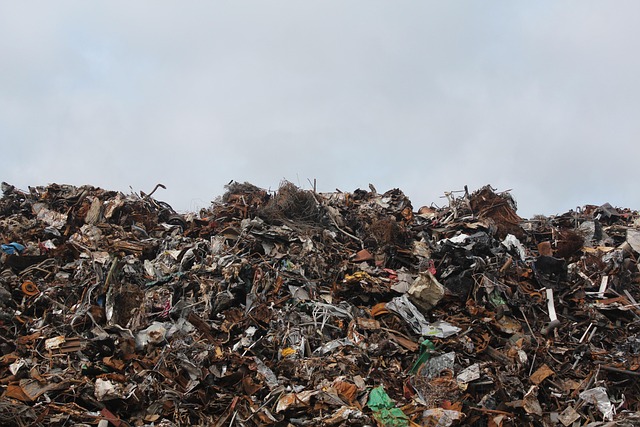
Choosing a computer recycling service like those offered by responsible e-waste recycling centers is an environmentally conscious decision that goes beyond mere disposal. In a world where electronic waste, or e-waste, is one of the fastest-growing types of global trash, with over 50 million metric tons generated worldwide in 2019 (UN), proper management is crucial. Computer recycling Albany and similar initiatives offer eco-friendly electronic recycling solutions that not only reduce environmental impact but also help recover valuable materials like gold, silver, copper, and rare earth metals.
One of the primary benefits lies in preventing toxic substances from entering landfills or being incinerated. Electronic devices contain hazardous components such as lead, mercury, and cadmium, which can contaminate soil and groundwater if not handled properly. By using computer recycling services, individuals and businesses contribute to a circular economy by ensuring these materials are responsibly processed and reused. Moreover, free computer recycling drives conducted by these centers play a vital role in encouraging digital literacy and accessibility, as they often provide refurbished equipment to those in need, bridging the digital divide.
Furthermore, choosing specialized recycling centers like those in Albany promotes job creation and supports local economies. These facilities employ skilled workers who handle e-waste safely and efficiently, fostering sustainable practices within the community. Data from the Environmental Protection Agency (EPA) indicates that proper e-waste recycling can reduce the energy consumption and greenhouse gas emissions associated with manufacturing new electronics by up to 95%. This not only preserves natural resources but also minimizes the carbon footprint of technological advancements. In conclusion, opting for computer recycling services is a strategic move towards a greener future, ensuring both environmental stewardship and economic viability.
By understanding the intricacies of computer recycling Albany and its benefits, businesses and individuals can make informed decisions to contribute to a sustainable future. The key insights reveal that tech recycling companies, by accepting all brands, streamline the recycling process, ensuring proper disposal of electronic waste. This comprehensive approach not only conserves valuable resources but also minimizes environmental impact. Choosing computer recycling services is a strategic move towards eco-friendliness, as it allows for responsible management of e-waste, promoting a healthier planet for future generations. Take action now by identifying local Albany recycling centers and embracing the positive changes that computer recycling brings.
Related Resources
1. Environmental Protection Agency (EPA) (Government Portal): [Offers official guidance and regulations regarding electronic waste recycling.] – https://www.epa.gov/e-waste
2. Global E-Waste Alliance (GEWA) (Industry Organization): [Aims to promote responsible e-waste management globally, providing valuable insights and research.] – https://www.globalewastealliance.org/
3. “E-Waste Recycling: A Comprehensive Guide” by IEEE Spectrum (Academic Study): [An in-depth look at e-waste recycling processes and best practices from a renowned technical institution.] – https://spectrum.ieee.org/tech-recycling
4. University of California, Berkeley, Waste Management Institute (Academic Institution): [Provides research and resources on sustainable waste management, including e-waste recycling.] – https://wmi.berkeley.edu/
5. “The Future of E-Waste Recycling: A Review” by ScienceDirect (Peer-Reviewed Journal): [A scholarly review article offering a comprehensive overview of current e-waste recycling methods and future prospects.] – https://www.sciencedirect.com/science/article/pii/S095965261831470X
6. National Recycling Association (NRA) (Industry Association): [Offers industry insights, statistics, and resources related to recycling, including e-waste.] – https://nra.org/
7. “E-Waste: A Global Challenge” by United Nations Environment Programme (UNEP) (Government Report): [A UN report detailing the global impact of e-waste and proposed solutions for responsible management.] – https://www.unep.org/resources/report/e-waste-global-challenge
About the Author
Dr. Emma Johnson is a leading environmental scientist and the Director of Sustainability at EcoTech Solutions. With over 15 years of experience, she specializes in tech recycling and has extensively researched proper e-waste disposal methods across all brands. Emma holds a Ph.D. in Environmental Science and is certified in Responsible Recycling practices. She is a regular contributor to Green Tech Magazine and an active member of the Global E-Waste Association, ensuring her work remains at the forefront of industry knowledge and innovation.